TOTONOU (EXPERIENCE)
What is TOTONOU?
The science behind Japan’s sense of balance, clarity, and calm
Across Japan, millions of sauna-goers pursue a feeling they call totonou: a brief but vivid sense of mental clarity paired with quiet, physical euphoria. It can sound almost spiritual. In the lab and the literature, much of it reads like familiar physiology — stress, recovery, and the nervous system doing what they evolved to do.
How to achieve totonou — a beginner’s guide
Totonou is not a switch you flip. It tends to appear when conditions are right, when the cycle is repeated with care, and when you give it time. Researchers and seasoned practitioners largely converge on the same basics:
Before you begin
Drink water beforehand; dehydration makes the heat harder to tolerate and less predictable.
Wait after a heavy meal — your circulation is already busy digesting.
Skip alcohol before and during; it blunts judgment and strains cardiovascular control.
Shower and rinse off before you enter: it is courteous in shared spaces, and it helps your skin equilibrate cleanly to the heat.
Three steps — repeat at least three rounds
A long sit alone rarely does it. Totonou usually emerges from a deliberate rhythm — heat, cold, rest — repeated until the body finds its rebound.
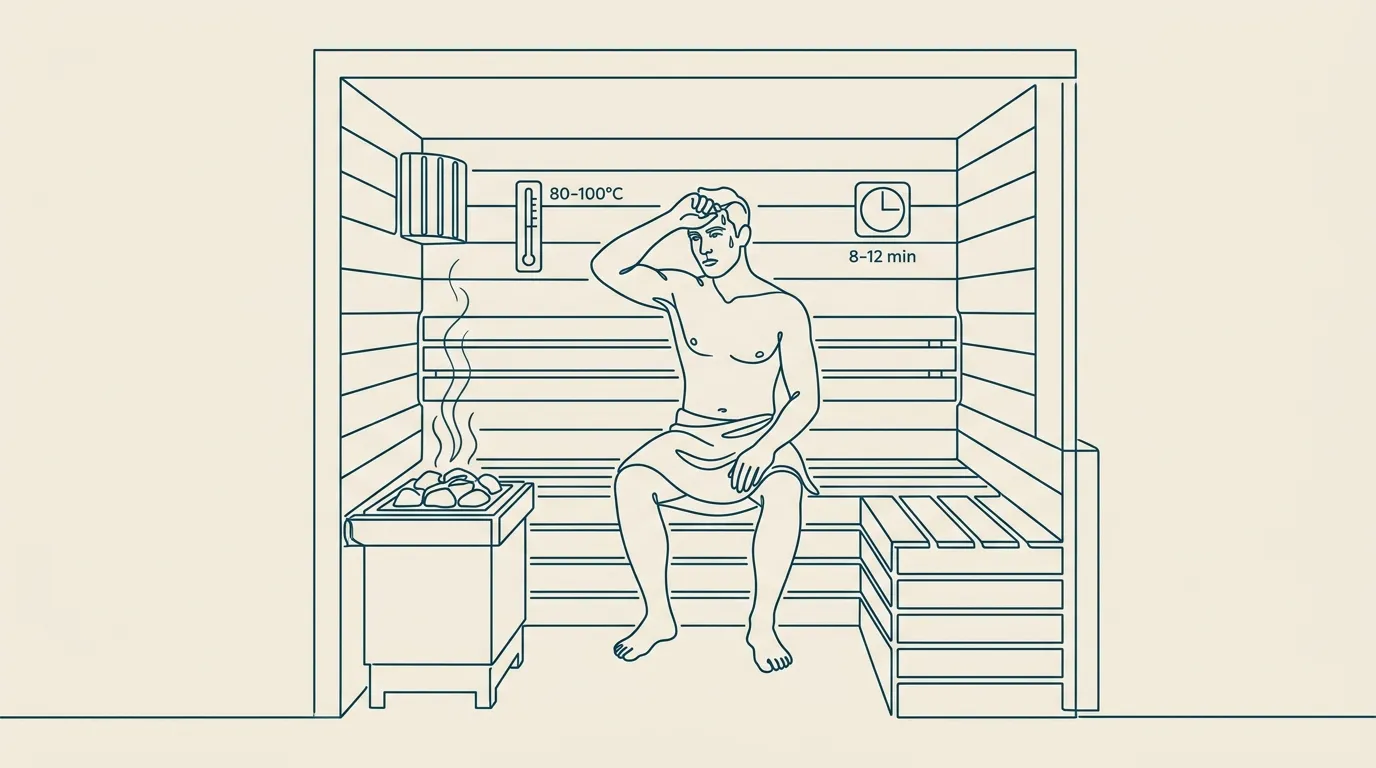
Sauna (sympathetic activation)
8–12 min · 80–100°C
Stay until the warmth crosses from pleasant to demanding. Core temperature typically climbs about 1–2°C; heart rate can approach double its resting value. Your sympathetic (“fight or flight”) branch ramps up, and β-endorphin signaling begins to rise — part of the heat’s euphoric edge.
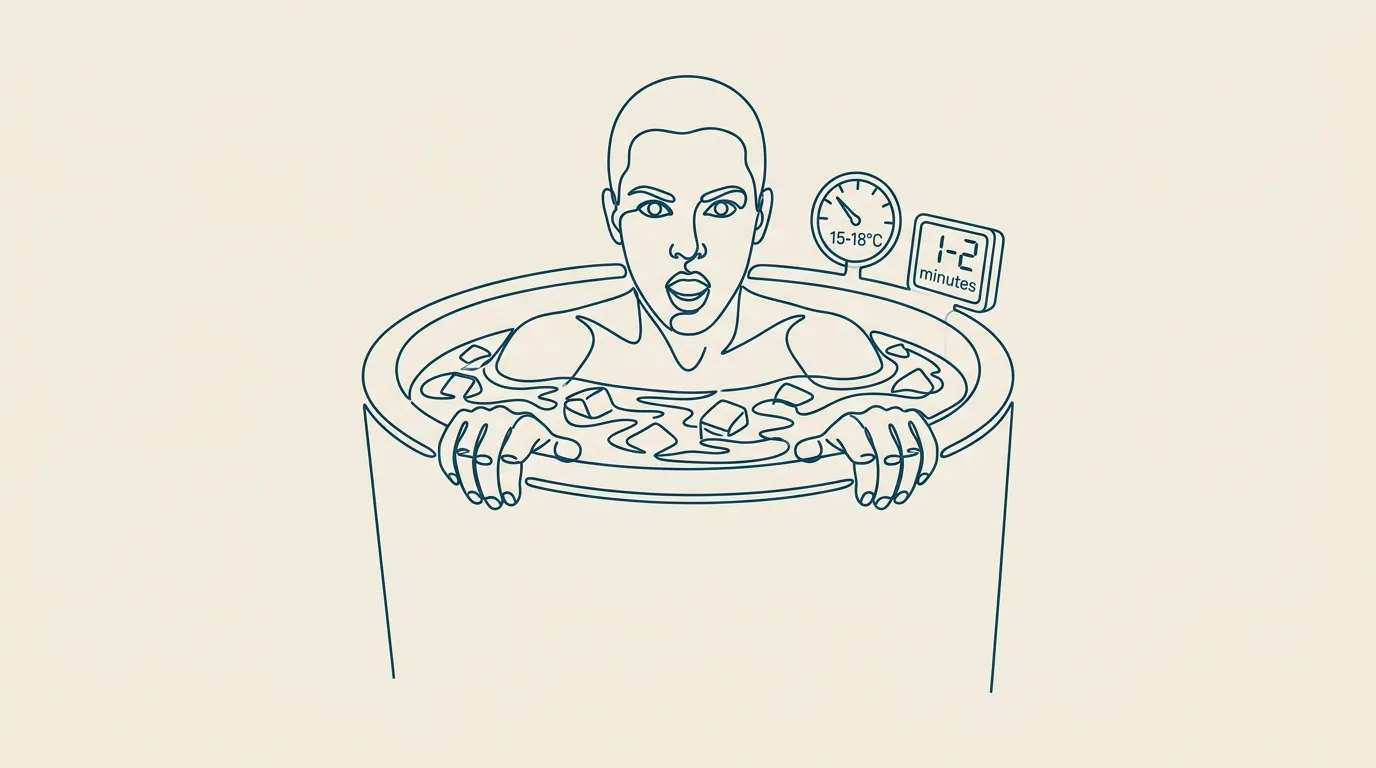
Cold plunge (adrenaline peaks)
1–2 min · 15–18°C
The cold hit is short and sharp. Peripheral vessels constrict; adrenaline and noradrenaline spike. Sympathetic drive reaches a crest — and that crest sets the stage for what happens next, when you step away and let the rebound begin.
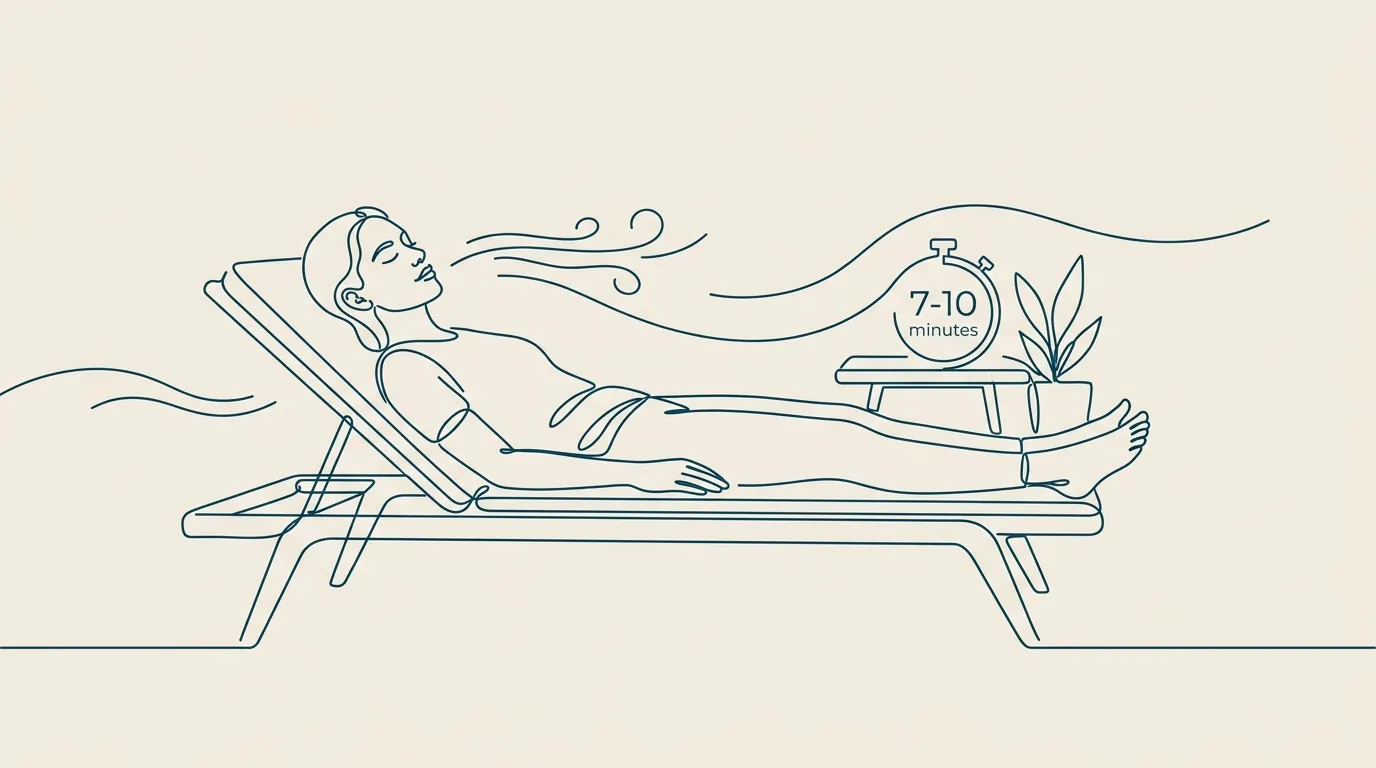
Rest (where totonou often lands)
7–10 min · lying down, cool air
This is the hinge. Lie still, breathe slowly, let the room be quiet. Parasympathetic (“rest and digest”) influence surges — yet a trace of adrenergic arousal from the plunge can remain. The subjective result is sometimes described as alert and calm at once: neither sedated nor wired, but unusually clear.
Evidence-based benefits linked to the same ingredients
Totonou itself is a lived word, not a formal diagnosis. The cycle beneath it — heat, cold, recovery — overlaps with outcomes reported in peer-reviewed work on sauna use and cold-water immersion. The quotes below are illustrative findings from that literature, not a promise that any single session will reproduce them.
Sleep duration
In some sauna intervention studies, participants logged more time asleep — for example, “more sleep hours (5.8 vs 7.6 h, p < 0.001)” — consistent with deeper recovery during rest.
Fatigue and day-to-day condition
Samples have reported fewer rough days physically — e.g. “fewer ‘poor physical health’ days (9.3 vs 1.8 days)” — a pattern that aligns with lower perceived fatigue and steadier self-rated health.
Cardiovascular risk
Habitual sauna bathing has been associated with lower long-term risk in some cohorts, including evidence that “sauna bathing is associated with a reduced risk of fatal cardiovascular disease”.
Muscle soreness after effort
Cold-water immersion has been studied extensively after exercise; a common summary is that “cold water immersion reduces delayed onset muscle soreness” — the cold phase of a totonou-style round can sit in that same toolbox for athletes.
Mood and subjective well-being
Repeated heat-and-recovery protocols have been tied to psychological upsides, including reported “improvements in well-being” — language that sits close to how practitioners describe the glow after a good round.
References (selected): Hannuksela & Ellahham (2001); Laukkanen et al. (2015, 2018); Bleakley et al.; Hussain & Cohen.
Safety note
Alternating intense heat and cold is real cardiovascular work. If you have heart disease, uncontrolled hypertension, are pregnant, or are unsure about your risk, speak with a clinician before you start. Cold immersion can spike blood pressure quickly — extra caution applies if hypertension is part of your history.
If you feel faint, nauseated, chest discomfort, or simply “wrong,” leave the heat immediately, cool down gradually, and sit in fresh air. Never coerce another person through cold exposure; consent and pacing matter. Totonou should feel restorative, not like a contest. If a round feels harmful, stop — you can always try again another day.
Personal experience
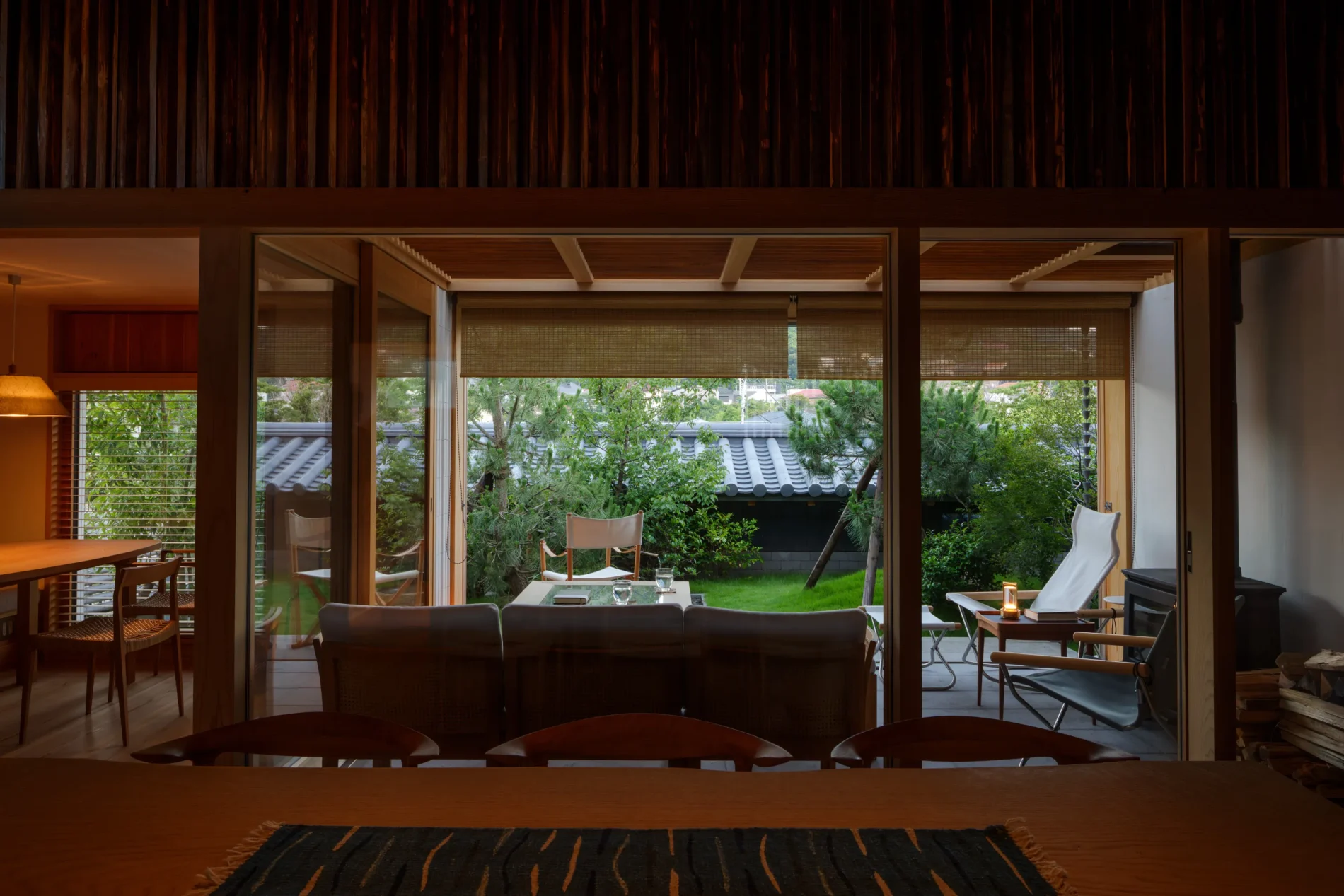
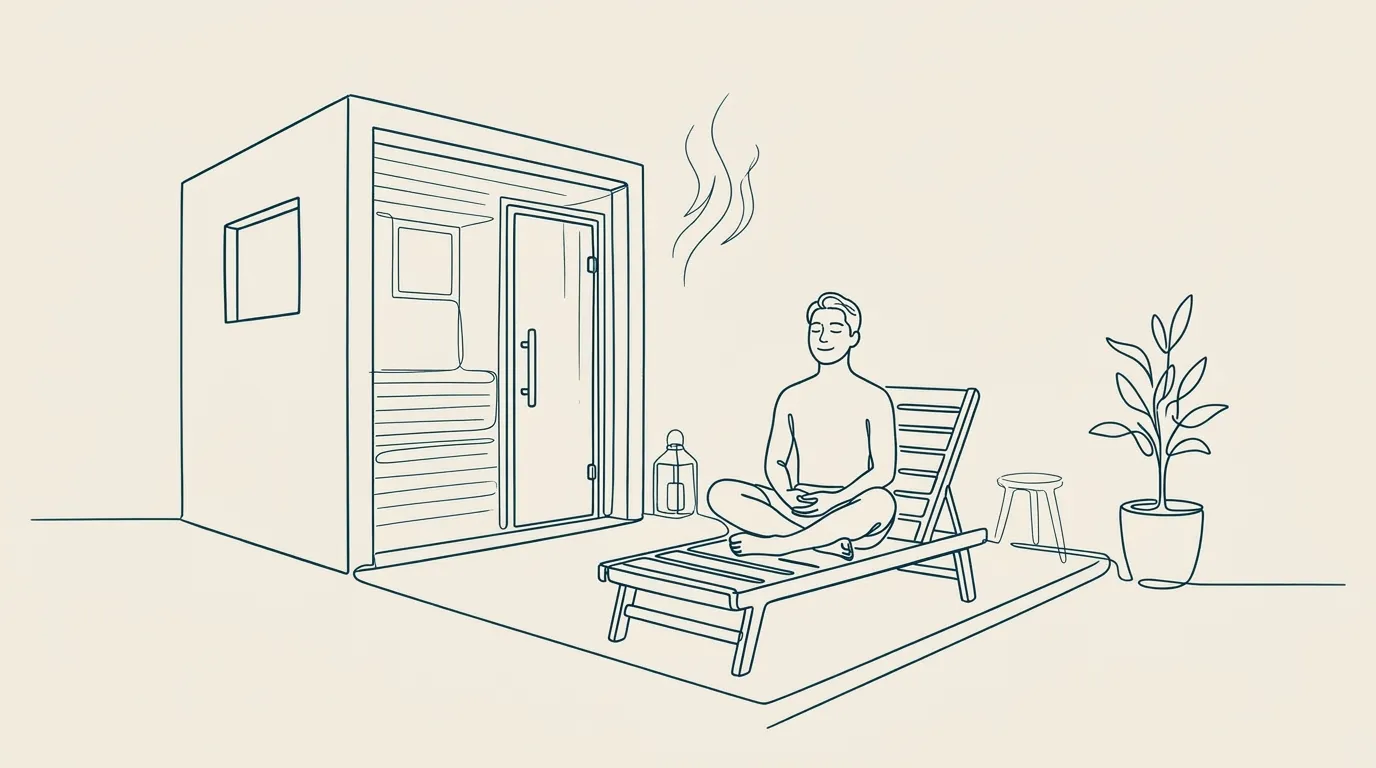
“I still remember my first brush with what people call TOTONOU, at a high-end sauna in Japan. The cabin heat wrapped around me until sweat ran freely; after about eight minutes my friend steered me out and straight into the plunge beside it. The cold was so absolute I thought my body would refuse it — every instinct said ‘get out.’ He stayed beside me, counted the seconds in a calm voice, and reminded me I could quit whenever I needed to. When I climbed out and lay on a deck chair in cool air, something shifted: a quiet, almost giddy clarity I had never felt from exercise alone. It did not feel mystical. It felt like my nervous system had taken a deep breath.”
— First-person account
Continue the series
turns from physiology to language and time: misogi, ma, mushin, wabi-sabi, and the long arc of bathing in Japan.